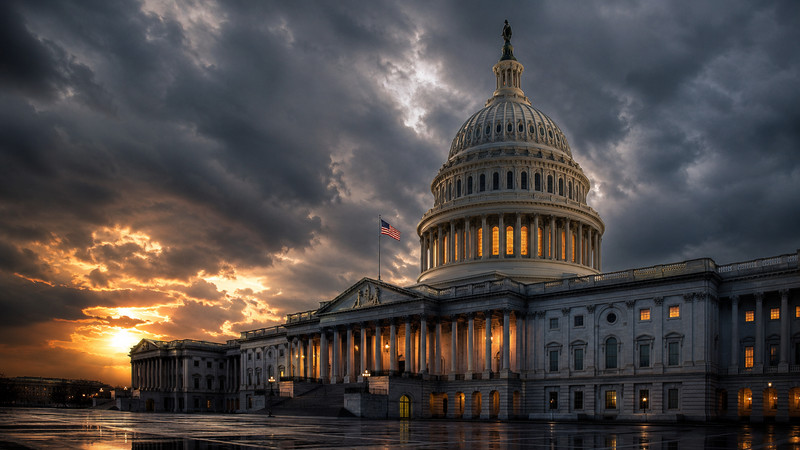
With fears of another federal government shutdown growing in Washington, Senate Republicans are reportedly discussing tougher leverage tactics aimed at forcing action on spending legislation before the deadline hits.
The growing standoff highlights a larger issue Americans have watched for years: Congress continues stumbling from one funding crisis to the next while taxpayers are left wondering whether anyone in Washington is capable of basic fiscal responsibility.
Republican lawmakers argue that Democrats have repeatedly used Senate procedural rules and political pressure campaigns to stall funding measures while demanding additional spending priorities. In response, some GOP senators are now considering more aggressive parliamentary strategies to move legislation forward and increase pressure during negotiations.
At the center of the debate is the Senate filibuster and the 60-vote threshold required to advance most legislation. Some Republicans believe the current rules give Democrats too much power to block funding bills even when Republicans control Congress. Discussions around procedural changes or pressure tactics have sparked concerns among lawmakers wary of escalating tensions further.
Conservatives have long argued that shutdown politics are symptoms of a deeper problem in Washington: runaway spending, lack of accountability, and leadership unwilling to pass budgets through regular order. Many voters see these recurring crises as proof that the federal government has grown too large, too inefficient, and too disconnected from everyday Americans.
Meanwhile, concerns continue to grow over how another shutdown would impact federal workers, military personnel, travel operations, and critical government services. Past shutdowns have caused delays, furloughs, and disruptions across the country while political leaders traded blame on cable news.
Republican leaders insist they want to avoid a shutdown but argue that Democrats must also come to the table in good faith rather than using procedural roadblocks to force massive spending packages or unrelated policy demands.
For many Americans, the bigger frustration remains unchanged: Washington politicians continue finding time for partisan battles while the nation faces inflation, border security concerns, rising debt, and economic uncertainty.
As negotiations continue behind closed doors, lawmakers are under increasing pressure to reach a funding agreement before another shutdown becomes reality.