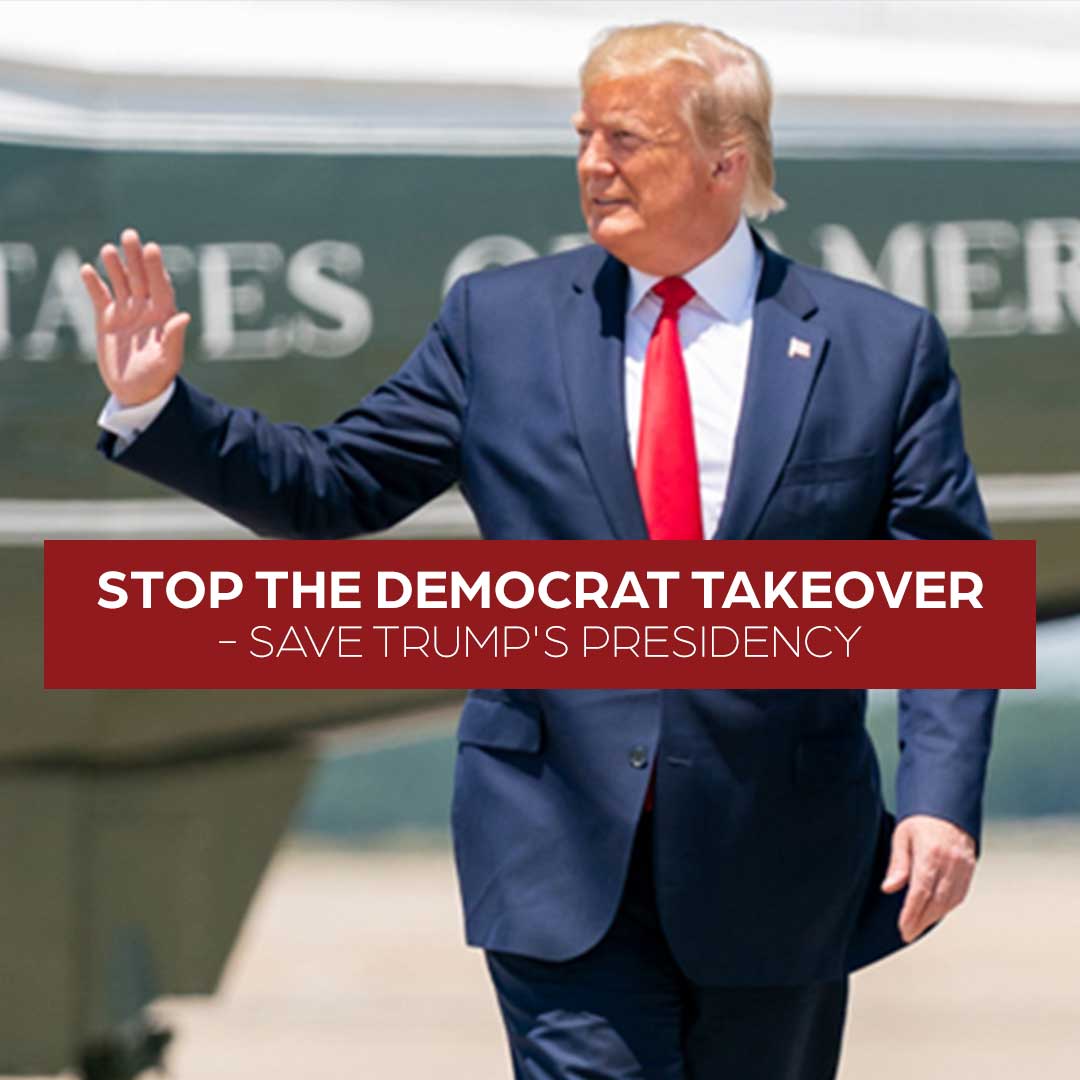
Tuesday night’s primary results delivered a message that much of the political establishment keeps trying to ignore. Republican voters still want fighters, not placeholders. And despite months of media narratives claiming Donald Trump’s influence was fading, the results out of Ohio and Indiana showed the exact opposite.
The biggest headline of the night came in Indiana, where several Republican state senators who opposed Trump backed redistricting efforts were taken down by Trump endorsed challengers. At least five incumbents lost after becoming targets of a highly organized effort backed by MAGA aligned groups.
This was not just another local political squabble. It was a warning shot to Republicans who believe they can campaign as conservatives at home while undermining the broader Republican agenda behind closed doors.
One of the clearest examples was longtime Indiana Senator Travis Holdman losing to Blake Fiechter after becoming one of the Republicans caught in the backlash over redistricting disputes. The message from voters was straightforward. Republican voters expect Republicans to actually use power when they have it.
For years conservatives have watched Democrats aggressively redraw maps, consolidate institutional power, and play hardball politics without apology. Many GOP voters are simply tired of seeing Republicans hesitate while Democrats move aggressively.
Indiana voters clearly decided they wanted a more confrontational approach.
At the same time Ohio Republicans delivered another decisive result by handing Vivek Ramaswamy a commanding victory in the governor’s race. Ramaswamy, backed by Trump and JD Vance, easily defeated Casey Putsch and now heads into the general election as one of the GOP’s rising national stars.
Ramaswamy’s win matters for several reasons. First, it confirms that Republican voters are still highly responsive to Trump endorsements. Second, it shows there is growing appetite inside the GOP for younger candidates willing to challenge bureaucracies, corporate activism, and the political status quo.
Unlike traditional politicians who spend years testing poll driven talking points, Ramaswamy built his campaign around direct confrontation with progressive institutions and cultural issues that many Republicans believe establishment figures ignored for too long.
Whether voters agree with him on every issue is almost beside the point. Republicans increasingly reward candidates who appear willing to fight openly rather than simply manage decline more politely.
Ohio Republicans also formally set up a major Senate showdown between incumbent Republican Jon Husted and Democrat Sherrod Brown.
Husted represents a more traditional conservative governing style compared to Ramaswamy’s outsider energy, but his challenge will be significant. Democrats see Brown as one of their strongest remaining populist candidates in the Midwest, and national Democrats are expected to pour enormous money into the race.
Still, Republicans have reason for optimism in Ohio. The state has shifted steadily rightward over the past decade, with Trump carrying it comfortably in recent elections. The question now is whether Republicans can maintain that momentum in a midterm environment that may be less favorable nationally.
One underappreciated theme from the primaries is that Republican voters appear increasingly unified around the idea that elections are not just about managing government competently. They are about using political power effectively.
That may sound obvious, but for years grassroots conservatives have expressed frustration with Republican officials who campaign aggressively and govern cautiously. Tuesday’s results suggest patience for that model is running thin.
Even in races that received less national attention, voters appeared to favor candidates aligned with a more assertive conservative posture. Derek Merrin’s victory in Ohio sets up a serious challenge against longtime Democrat Marcy Kaptur in a district Republicans believe is increasingly winnable.
Meanwhile in Louisiana, Senator Bill Cassidy remains a figure many conservatives continue to watch closely. Cassidy’s impeachment vote against Trump still lingers in the minds of many Republican primary voters and could shape the political climate surrounding his reelection efforts moving forward. While Louisiana’s election structure differs from a standard primary system, the underlying issue remains the same. Republican voters are still deciding how much independence from Trump they are willing to tolerate inside the party.
The broader takeaway from Tuesday night is not necessarily that every Republican voter agrees on every issue or every personality. It is that the base increasingly values clarity, confrontation, and ideological consistency over cautious moderation.
That creates both opportunities and risks heading into November.
On one hand, energized voters and motivated grassroots movements are a massive advantage for Republicans. On the other hand, Democrats will almost certainly attempt to portray Trump aligned candidates as too polarizing for suburban swing voters.
But Republicans appear increasingly willing to take that gamble rather than nominate candidates they believe lack conviction.
For conservatives, Tuesday night was a reminder that primaries still matter enormously. These races are where parties define themselves before the general election even begins. And this year Republican voters made one thing unmistakably clear.
They are no longer interested in Republicans who simply occupy office. They want Republicans who are prepared to use it.