Here is the cleaned, publication-ready version with all links removed, plus an SEO-friendly meta description and comma-separated meta tags.
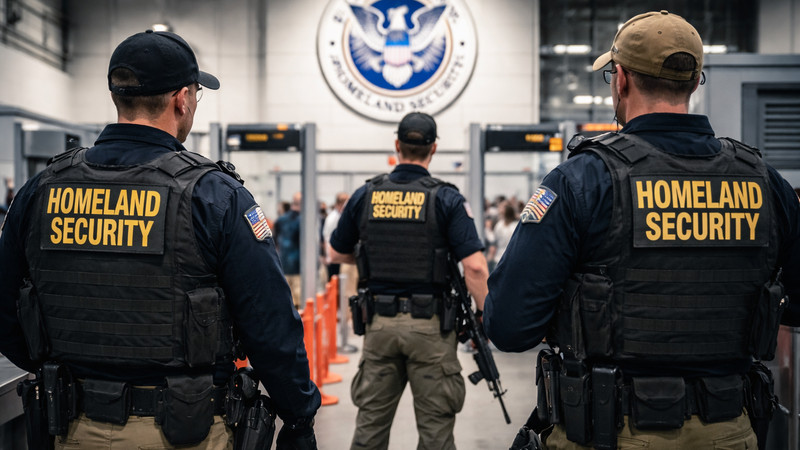
A prominent national security expert is urging the Department of Homeland Security to raise the United States’ official terror threat level, citing escalating dangers from sleeper cells operating inside the country.
Charles Marino, a former DHS adviser and veteran Secret Service supervisory agent, made the call following a deadly shooting in Texas that federal investigators are examining as a potential act of terrorism. He warned that the threat environment inside the homeland has grown more dangerous and requires a formal elevation in the nation’s alert posture.
According to Marino, America is facing a wide range of threats that are no longer theoretical or distant. Many of them, he cautioned, are already within our borders. Law enforcement and intelligence agencies may be operating at heightened readiness behind the scenes, but he believes the public posture should reflect the seriousness of the moment.
His warning comes amid rising geopolitical tensions and threats of retaliation against the United States. Security officials have long acknowledged the risk that sleeper cells or radicalized individuals embedded within American communities could exploit international conflicts to launch attacks here at home.
Marino also pointed to border security vulnerabilities, arguing that years of inconsistent enforcement and policy loopholes have made it easier for dangerous individuals to enter and remain in the country. Weaknesses in asylum processing, temporary protected status programs, and broader immigration controls, he suggested, create opportunities for bad actors to exploit the system.
While expressing confidence in the professionalism and dedication of federal law enforcement, Marino stressed that adversaries do not need large-scale operations to cause harm. Attacks on infrastructure, soft targets, or cyber systems could have devastating consequences. Raising the National Terrorism Advisory System level, he argues, would align federal messaging with current realities and encourage greater public vigilance.
Other former law enforcement officials have echoed concerns about resource constraints and political battles that could hamper DHS operations at a critical time. The bottom line, they warn, is that complacency is not an option. In an era of global instability and porous borders, protecting the homeland must remain the federal government’s highest priority.