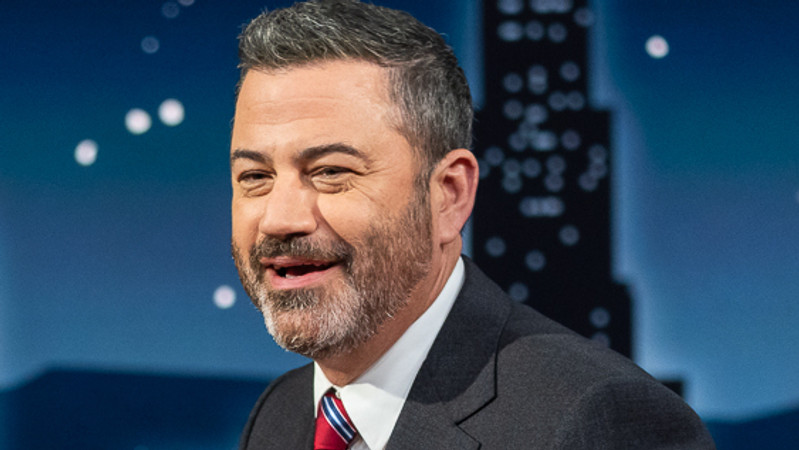
Jimmy Kimmel is once again at the center of controversy, this time for refusing to apologize after making a widely criticized joke about former First Lady Melania Trump. Instead of backing off, the late-night host chose to double down, defending his remarks and redirecting attention toward what he claims is the real issue—Donald Trump’s rhetoric.
The joke, which many viewed as crossing a line, sparked immediate backlash from viewers who felt it was inappropriate and disrespectful. Critics argue that comments targeting a former First Lady—particularly in such a personal context—would not be tolerated if directed at figures on the political left.
Rather than acknowledging those concerns, Kimmel pushed forward, suggesting that outrage over his remarks is misplaced. In his view, the focus should be on what he characterized as the broader tone set by Trump, which he described as divisive and harmful.
That response hasn’t sat well with many Americans who see it as a deflection rather than an explanation. To them, the issue is simple: public figures, especially those with massive platforms, should be held to a consistent standard of decency—regardless of political affiliation.
The situation highlights a familiar frustration. When controversial remarks come from conservative figures, the backlash is often swift and unforgiving. But when similar or worse comments are made by those in entertainment or aligned with the left, critics say the reaction is far more forgiving—or even dismissive.
For many observers, Kimmel’s refusal to reconsider his comments only reinforces concerns about a growing cultural divide, where respect and accountability seem to depend on who is speaking, rather than what is said.