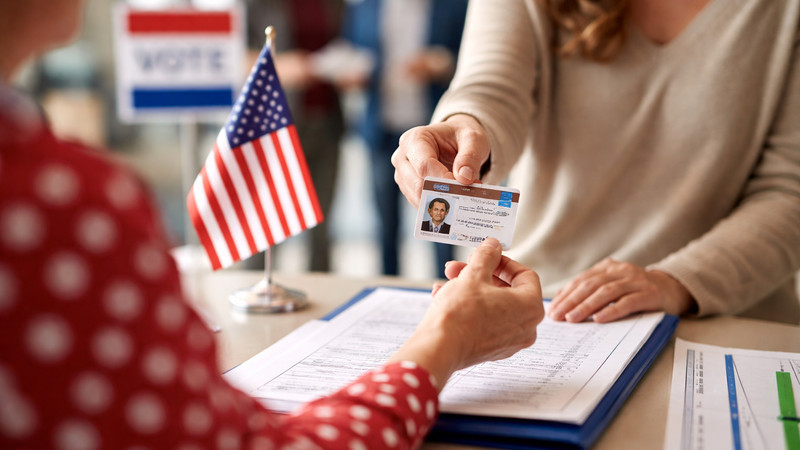
House Republicans are placing election integrity front and center as they prepare to vote on the SAVE America Act, legislation aimed at strengthening voter registration requirements and ensuring that only eligible citizens participate in U.S. elections.
The bill has become a rallying point for a Republican conference that recognizes growing public concern about election security, even as Democrats promise to block it in the Senate. The legislation faces an uphill battle, but GOP leaders argue the issue is too important to ignore — regardless of procedural obstacles.
The SAVE America Act would introduce major reforms, including requiring proof of U.S. citizenship to register to vote, eliminating mail-only voter registration, mandating photo identification nationwide, and directing states to take stronger action to remove noncitizens from voter rolls. Supporters say these measures are common-sense safeguards that align U.S. elections with basic security standards already in place for everyday activities like boarding a plane or opening a bank account.
President Donald Trump has taken a personal interest in the legislation, urging Republicans to act decisively. He has repeatedly warned that public trust in elections is eroding and that federal action is necessary to restore confidence in the system. GOP leadership has been working closely with the White House to identify the strongest path forward, including pressuring the Senate to take up the bill.
Democrats and left-wing advocacy groups have criticized the legislation, claiming it would restrict access to voting. Republicans reject that framing, arguing the bill protects legitimate voters by ensuring elections are fair, secure, and transparent. Provisions in the legislation address concerns for military members and lawful absentee voters while maintaining strict standards to prevent abuse.
The fight over the SAVE America Act has already spilled into broader debates over Senate procedure. Some Republicans are urging changes to force Democrats to physically hold the floor if they want to block the bill, exposing what they view as obstruction rather than substantive opposition. Senate leaders are weighing those options cautiously, citing competing legislative priorities.
Still, House Republicans insist this effort is more than political messaging. They argue that election integrity is foundational to self-government and that failing to act only deepens voter skepticism.
As the House moves toward final passage, the battle over the SAVE America Act is shaping up as a defining test: whether Congress will take meaningful steps to secure elections — or allow partisan resistance to stall reform once again.