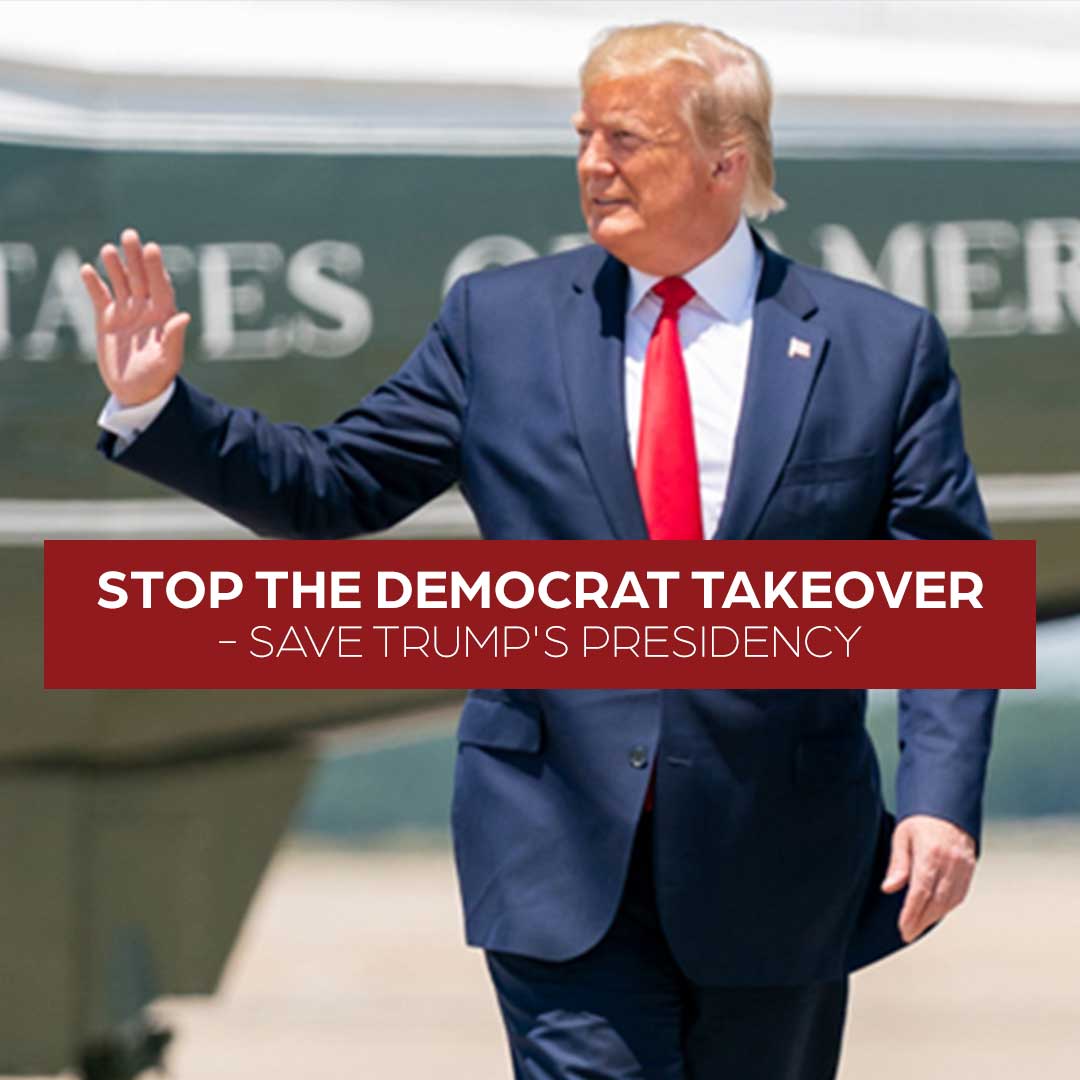
Former President Donald Trump says he will soon announce his endorsement in one of the most closely watched Republican primaries in the country: the Texas U.S. Senate race. The decision has quickly become a focal point for the MAGA movement, as speculation grows that Trump could back incumbent Senator John Cornyn—a move that may not sit well with many grassroots conservatives.
Cornyn, a long-time fixture in Texas politics and a member of the Senate Republican leadership, has increasingly faced skepticism from the party’s America First wing. Critics argue that his record on issues ranging from gun legislation to immigration has placed him out of step with the populist base that now dominates Republican politics in Texas.
The incumbent’s political vulnerability has become evident in early primary indicators. Cornyn’s failure to consolidate overwhelming support among Republican voters has fueled the perception that his standing with the grassroots has eroded. In Texas politics, incumbents typically dominate their primaries; falling short of commanding support can signal that voters are looking for change. Many conservative activists view the current race as a referendum on whether Cornyn still represents the direction of the modern Republican Party.
At the center of the challenge is Texas Attorney General Ken Paxton, who has built a national reputation as one of the most aggressive legal defenders of conservative causes. Paxton became a hero to Trump supporters during the 2020 election disputes and has continued to lead high-profile legal battles against the Biden administration and progressive policies. Within the America First movement, Paxton is widely viewed as a proven fighter who aligns closely with Trump’s agenda.
Adding to the intrigue are reports that several senior political figures closely associated with Trump are working with or advising the Cornyn campaign. For many grassroots conservatives, that development raises questions about whether the political establishment around Trump is pushing him toward backing the incumbent rather than the insurgent candidate favored by much of the MAGA base.
Another rumor circulating in Texas political circles suggests Trump may be attempting to broker a compromise by encouraging Paxton to step aside from the Senate race. The idea, according to speculation among some activists and strategists, would be to avoid a divisive primary battle.
One potential path floated by supporters of Paxton involves a future role in a second Trump administration. Advocates connected with groups like Constitutional Rights PAC have suggested that Paxton would be a strong candidate for U.S. Attorney General should Trump return to the White House. Some activists have even proposed that he replace current Attorney General Pam Bondi, whom certain conservatives have criticized as a disappointing choice.
Whether such a scenario is realistic remains uncertain, but it underscores Paxton’s standing within Trump-aligned circles. Few Republican officials have been as consistently supportive of Trump or as willing to take legal and political risks on behalf of conservative causes.
For now, Trump’s impending endorsement has turned the Texas primary into a national story. His backing has historically carried enormous weight in Republican contests, often reshaping the race overnight. But Texas presents a unique test: if Trump chooses Cornyn, he may face backlash from segments of his own movement that view Paxton as the more authentic America First candidate.
The coming announcement will therefore do more than influence a single Senate race. It will offer an important signal about where Trump sees the Republican Party heading—and whether loyalty to long-time incumbents outweighs the insurgent energy of the MAGA base that helped power his political rise.