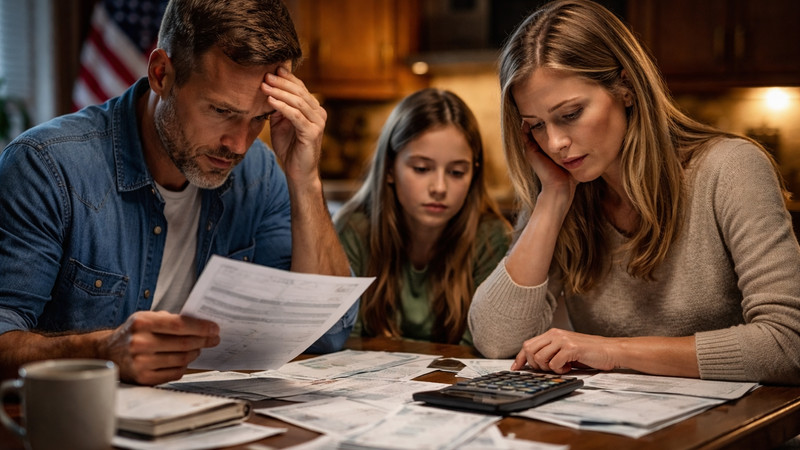
During recent election cycles, Democrats across the country made one message central to their campaigns: affordability. They spoke directly to voters’ concerns about rising costs—housing, energy, groceries, and healthcare—and promised relief.
That message helped deliver key victories, particularly in states like New York and Virginia, where candidates leaned heavily on the idea that they would make life more affordable for working families.
But now, just months into governing, the reality looks very different.
Instead of meaningful relief, many residents are seeing costs continue to rise—and in some cases, policies coming out of Democratic legislatures appear to be making matters worse. In Virginia, for example, a wave of proposed tax increases has drawn sharp criticism from voters who were promised the opposite.
Families already struggling with inflation are now questioning whether their elected leaders truly understand the financial pressure they’re under. Critics argue that while Democrats talked about affordability on the campaign trail, their governing approach leans toward more spending, more regulation, and ultimately higher costs passed on to everyday Americans.
In New York, similar frustrations are emerging. Voters who were told relief was on the way are instead dealing with persistent high prices and economic uncertainty. The disconnect between campaign rhetoric and governing reality is fueling growing dissatisfaction.
Even some policy proposals labeled as “affordability measures” have come under scrutiny. Analysts warn that certain initiatives could shift costs rather than reduce them—raising prices for one group in order to subsidize another, rather than addressing the root causes of high living expenses.
For many Americans, the issue is simple: they were promised lower costs, but they’re still paying more.
This growing backlash highlights a broader concern. Voters are increasingly skeptical of political messaging that sounds good during an election but fails to deliver real-world results. In kitchen-table terms, families want to see smaller bills, not bigger government.
As the next election cycle approaches, the question is whether these leaders can course-correct—or whether voters will decide it’s time for a different approach, one focused on fiscal responsibility, lower taxes, and policies that genuinely ease the burden on working Americans.